


Description
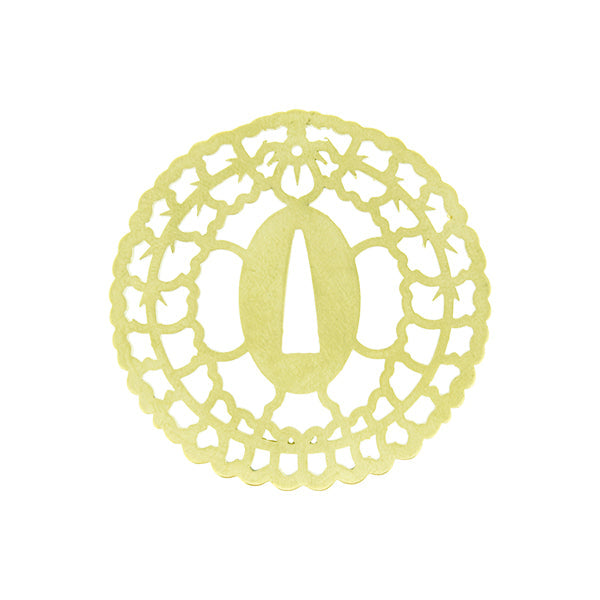
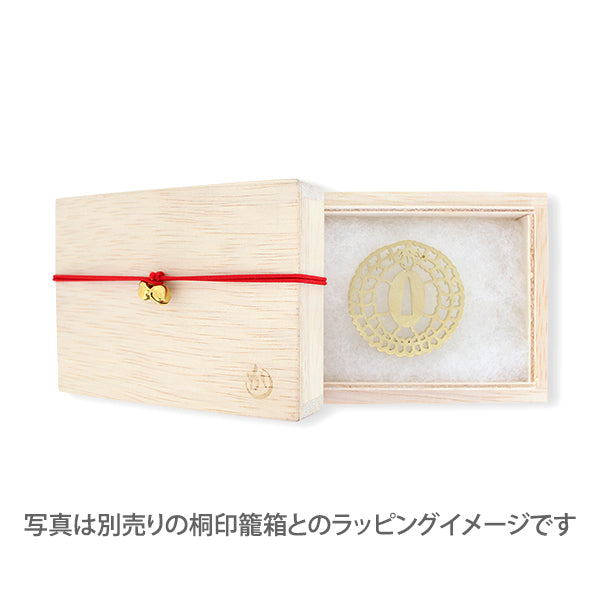
The wisteria crest, a familiar family crest widely used in Japan, was also often used as a design on the guards (tsuba) worn by samurai to protect their hands. The hanging wisteria tsuba, decorated with openwork wisteria flowers, is now available as an obidome.
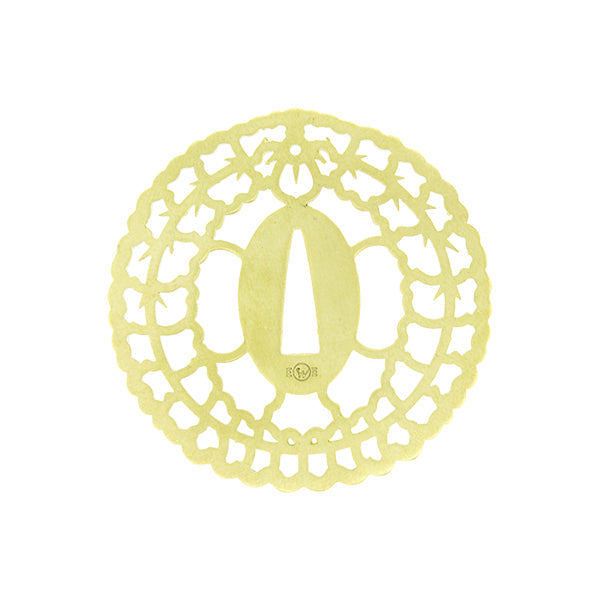
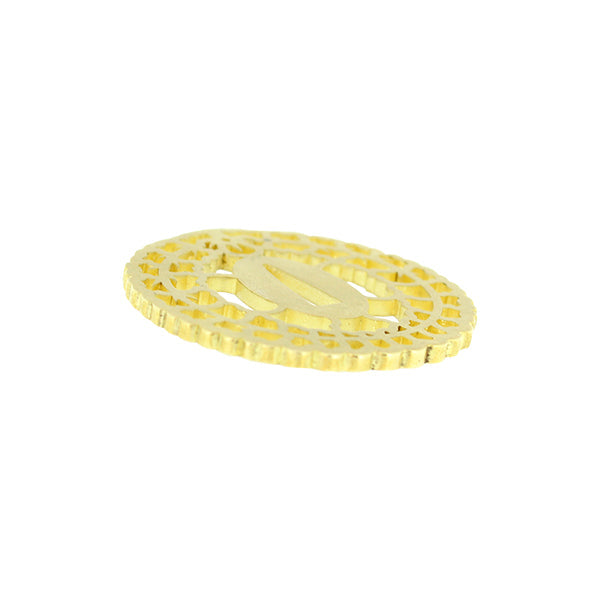
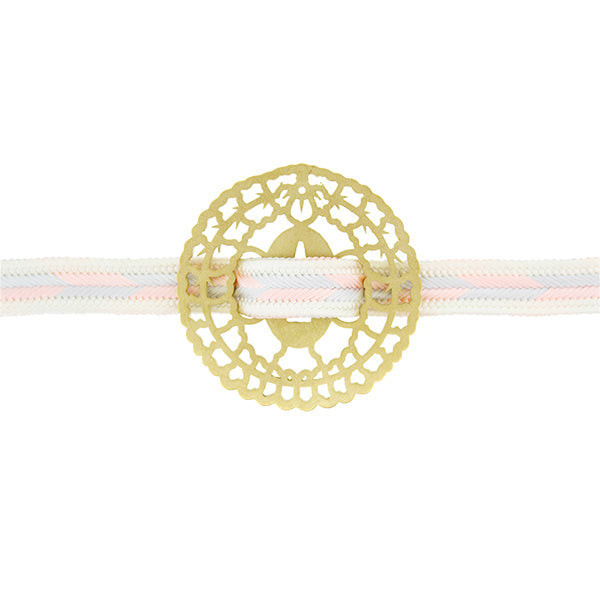
"Traditional Japanese Culture" - Obi belts enhance the beauty of kimonos, and obidome belts enhance the beauty of obi belts. Changing traditional Japanese accessories can completely change the impression of a kimono. Adding obi belts and obidome belts to yukata belts can elevate your look. This obidome belt features the meticulous design and playful spirit that only Wargo can offer. This obidome belt is crafted with the familiar Japanese "tsuba" (guard guard) motif. The front and back of the tsuba belt feature a warm matte finish. The sides are polished for a glossy finish, adding a touch of character. It can also be worn as an obidome belt, or threaded onto a leather belt or chain for a casual look with Western clothing. Wearing one alone makes a striking impact. It complements both simple and boldly patterned obi belts. This obidome belt is easy to coordinate with the patterns and motifs of your kimono or yukata. Incorporate traditional Japanese beauty into your everyday fashion, expressing your own style, without being limited by the confines of traditional Japanese accessories.
■ Designer's Thoughts: This obi-dome is crafted from the tsuba (guard), a part of a sword that symbolizes the samurai era. The design incorporates a family crest into the shape of the tsuba. The "hanging wisteria crest" motif is said to be a stylized "wisteria circle" of the dangling flowers and leaves of the wisteria, a plant known for its fertility and auspiciousness. Generally used as a family crest symbolizing "longevity," it is considered one of the five major crests. The elegant and highly popular wisteria crest was created in a variety of variations and became extremely popular. By threading an obi-jime or belt through the kogai-hitsu (hairpin box) and kozuka-hitsu (small box) located next to the center hole through which the sword is passed, the tsuba can be used in a variety of ways, including as an obi-dome. Tsuba, a fashionable accessory valued by samurai warriors during the samurai era, is a design we hope will be incorporated into modern fashion.
■ Designer's Thoughts: This obi-dome is crafted from the tsuba (guard), a part of a sword that symbolizes the samurai era. The design incorporates a family crest into the shape of the tsuba. The "hanging wisteria crest" motif is said to be a stylized "wisteria circle" of the dangling flowers and leaves of the wisteria, a plant known for its fertility and auspiciousness. Generally used as a family crest symbolizing "longevity," it is considered one of the five major crests. The elegant and highly popular wisteria crest was created in a variety of variations and became extremely popular. By threading an obi-jime or belt through the kogai-hitsu (hairpin box) and kozuka-hitsu (small box) located next to the center hole through which the sword is passed, the tsuba can be used in a variety of ways, including as an obi-dome. Tsuba, a fashionable accessory valued by samurai warriors during the samurai era, is a design we hope will be incorporated into modern fashion.
| Item details | |
| material | brass |
| size | Approximately 4cm long and wide, approximately 0.2cm thick |