


Description
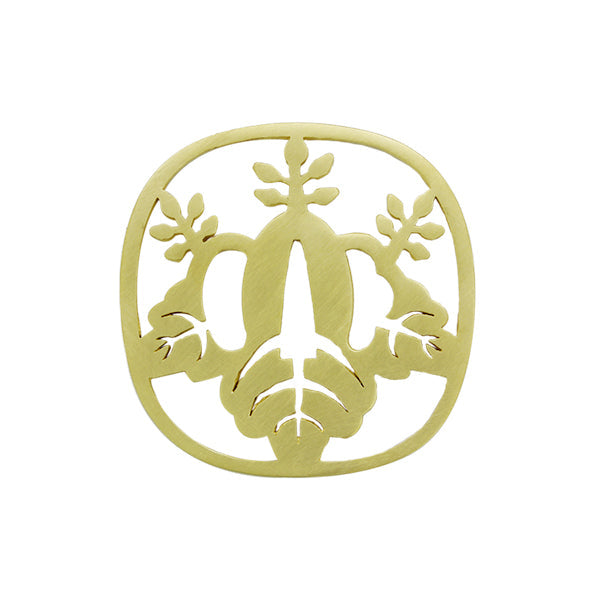
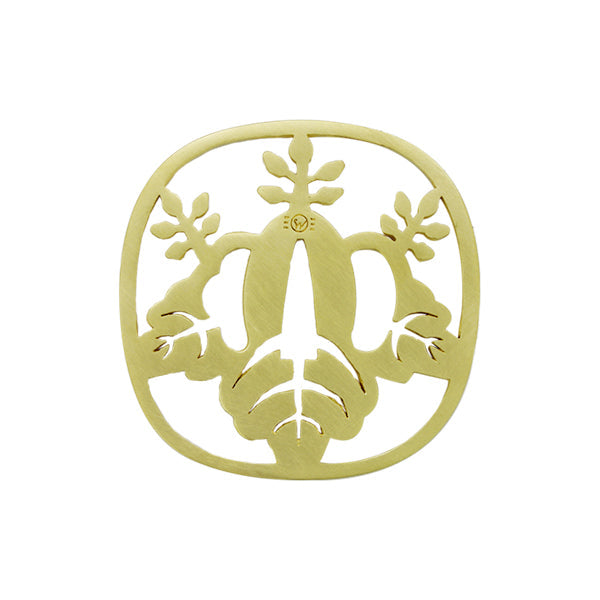
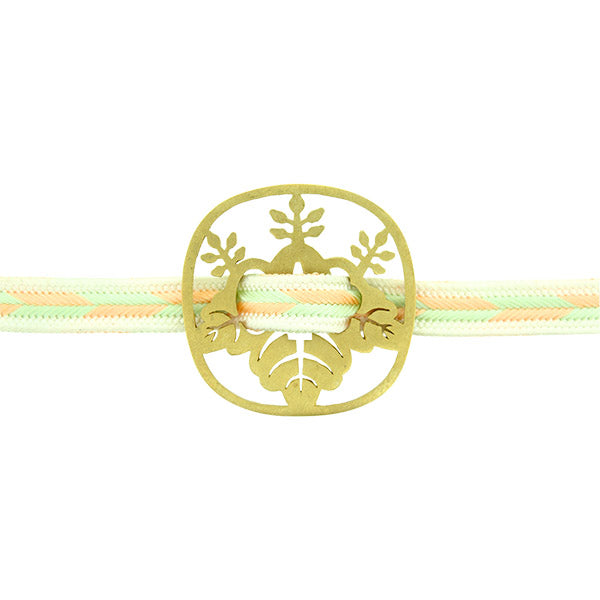
The "tsuba" (guard) protects the hands of a samurai. This obidome features the paulownia crest, which was once regarded as a sacred tree on which the phoenix perches and was historically used as the crest of the Imperial family.
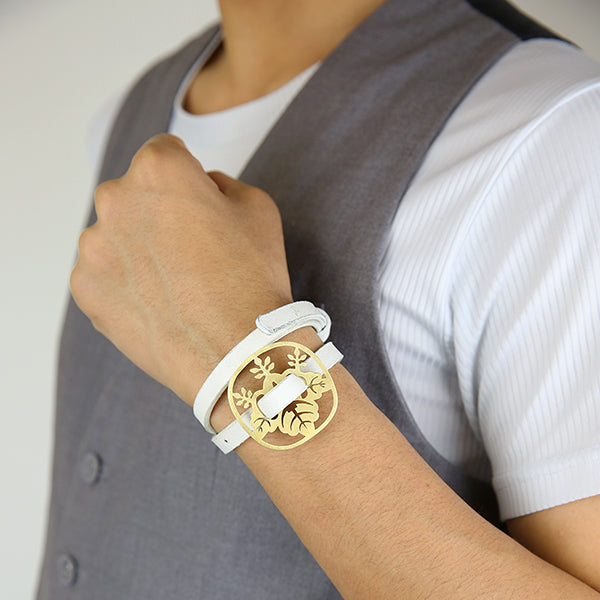
"Traditional Japanese Culture" - Obi belts enhance the beauty of kimonos, and obidome belts enhance the beauty of obi belts. Changing traditional Japanese accessories can completely change the look of a kimono. Adding obi belts and obidome belts to yukata belts can elevate your look. Wargo's obidome belts are crafted with meticulous attention to detail and a playful spirit. The familiar Japanese motifs of "tsuba" (guard guards) and "kamon" (family crests) are used to create this obidome belt. The front and back of the tsuba belt feature a warm matte finish. The sides are polished for a glossy finish, adding a touch of elegance. This obidome belt (brooch) exudes a retro vibe. It can also be worn casually with Western clothing, threaded onto leather belts or chains. Wearing one alone makes a striking statement. It complements both simple and boldly patterned obi belts. This obidome belt is easy to coordinate with the patterns and motifs of your kimono or yukata. Don't be limited to Japanese accessories; incorporate the traditional beauty of Japan into your everyday fashion in a stylish way that suits you.
■ Designer's Thoughts: We've crafted this obi-dome from the tsuba (guard), a part of a sword that was a symbol of the samurai era. The design incorporates family crests into the shape of the tsuba. The paulownia crest, a stylized design of the paulownia flower, a symbol of the auspicious tree on which the phoenix perches, is one of the family crests used by the Imperial family, along with the chrysanthemum crest. As it was gradually bestowed upon the Imperial family, it became popular among both noble families and commoners, and became one of the five major crests. It is also famous as the family crest of Toyotomi Hideyoshi, famous for unifying Japan, and Akutagawa Ryunosuke, famous for his works such as "Rashomon." By threading an obi-jime or belt through the kogai-hitsu (hairpin box) and kozuka-hitsu (small box) located next to the central hole through which the sword passes, the tsuba can be used in a variety of ways, including as an obi-dome. Tsuba, a fashionable accessory valued by samurai warriors during the samurai era, is a style we hope you will incorporate into your modern fashion.
| Item details | |
| material | brass |
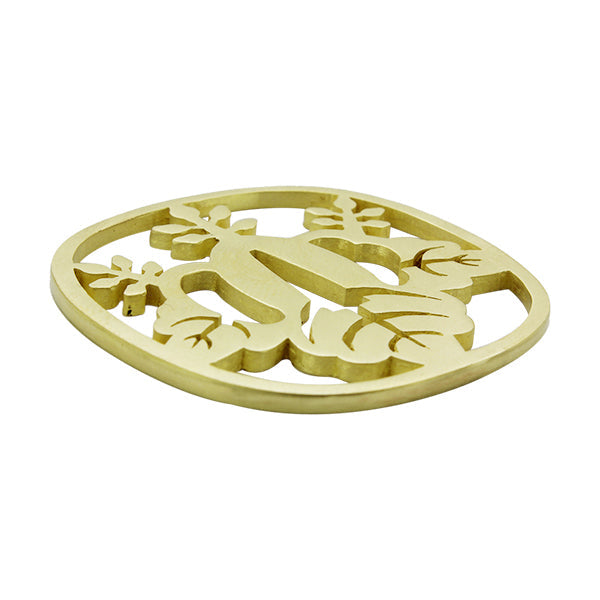
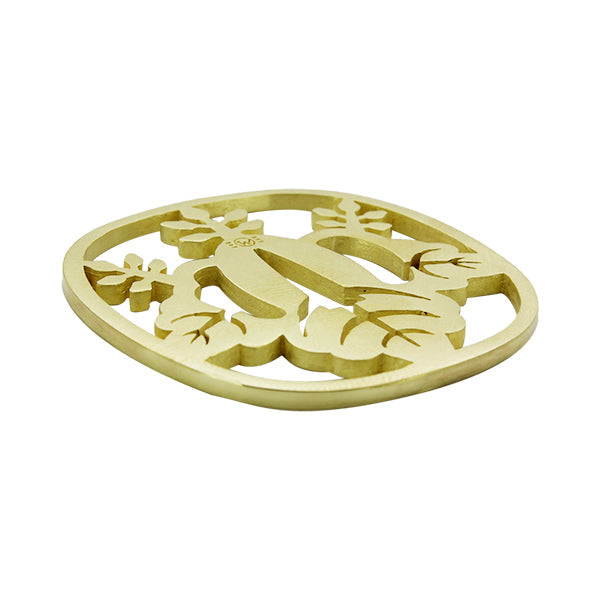
| size | Approximately 3.9cm long and wide, approximately 0.2cm thick |